
The first two chairs sit empty while the room invents a reason not to sit. The couple offers to go first so nobody feels shy. The best man offers a roast so somebody feels brave. I host the two-microphone table. Who sits first at the wedding podcast table is a teaching pair: a talker, a witness, and a room that copies what it sees — not a performance by the people in the dresses.
A table often hears nothing until two friends sit the way they would at dinner. The first pair teaches the room. The pattern looks like this: a talker, a witness, a kitchen story. Nobody named here has to open with a speech.
- Treat the first pair as a lesson the room will copy.
- Keep the couple off the opener.
- Seat a talker with a witness, not two soloists.
- Offer the first chairs to family who already travelled.
- Skip a roast, a toast, and a lone voicemail as the opener.
- After the first round, let people watch.
- Write the first-pair line for the planner.
How mouths work after they sit lives in how to get wedding guests talking on camera. How you tell the room lives in how to tell guests about the podcast table. Shy-guest honesty sits on questions. This page is only the opener: who sits first.
The first pair teaches the room
Guests do not read a rider. They watch two bodies. If the first sit looks like a speech, the room treats the table like a stage. If the first sit looks like two friends talking, the next pair steals the idea.
I have watched linen and two broadcast mics wait while everyone circled the drinks. The chairs were fine. The missing piece was a person who sat without asking the room for permission.
The pattern looks like this. Cocktail starts. Photographs eat ten people. The rest invent a queue that does not exist. Someone whispers “is this the speeches?” Somebody else waits for the couple. The file you wanted is a conversation. The room cannot copy a conversation it has not seen.
Recommendation: name the first pair before the day. Roles, not a census. Two people who already talk to each other. Then stop selling the furniture. The table cannot teach an empty chair.
Do not send the couple first
It sounds kind. “We will sit so everyone sees it is safe.” The room often sees something else: the people in the dresses doing a bit. Guests clap with their eyes. They do not follow. They wait for the next performance.
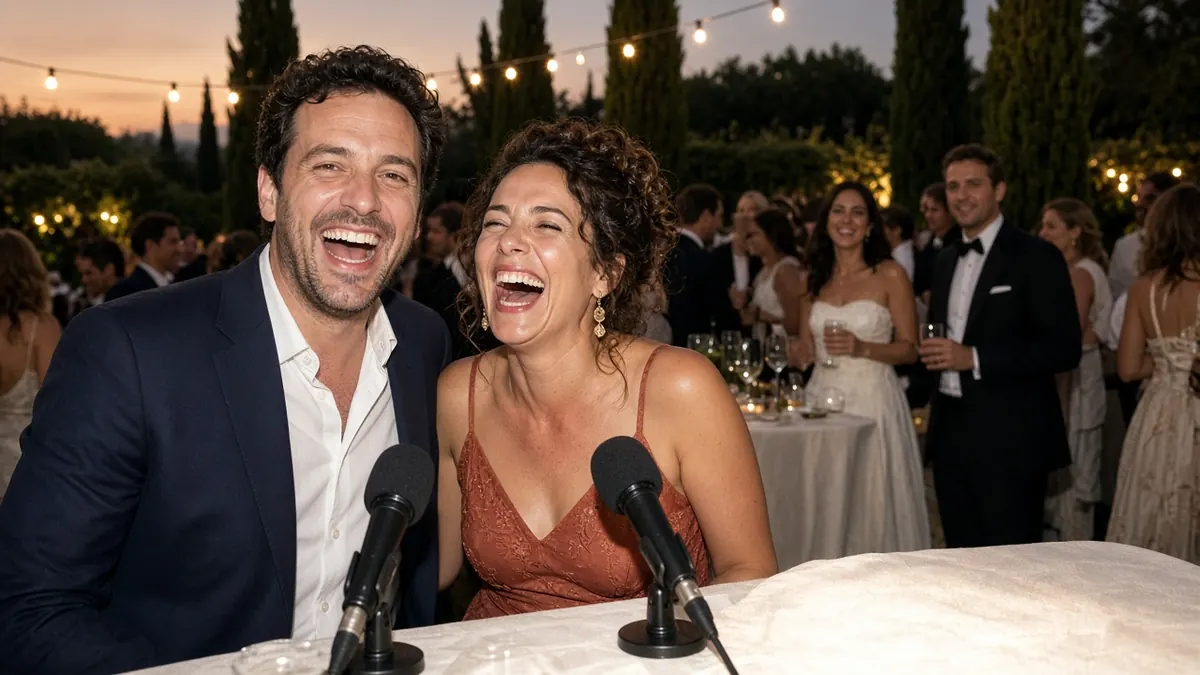
A table often hears the honest recce line: “If we go first, nobody will feel shy.” Kind, and still a show. Nobody named here needed a keepsake of their own ice-breaker. The couple already has the day. The table is for voices they do not hear at dinner.
I do not park the opener on the people the room is already watching. Let them pass the chairs with a glass. Let them hear a friend laugh. That is the safety the shy guest actually uses.
Recommendation: write one line. “We do not sit first.” If the date and the first pair are the question, Check availability with that line in the note.
Pair a talker with a witness
Two talkers can turn the opener into a set. Two quiet people can turn it into a job interview. The teaching pair is uneven on purpose: one person who will start a scene, one person who will stay and answer.
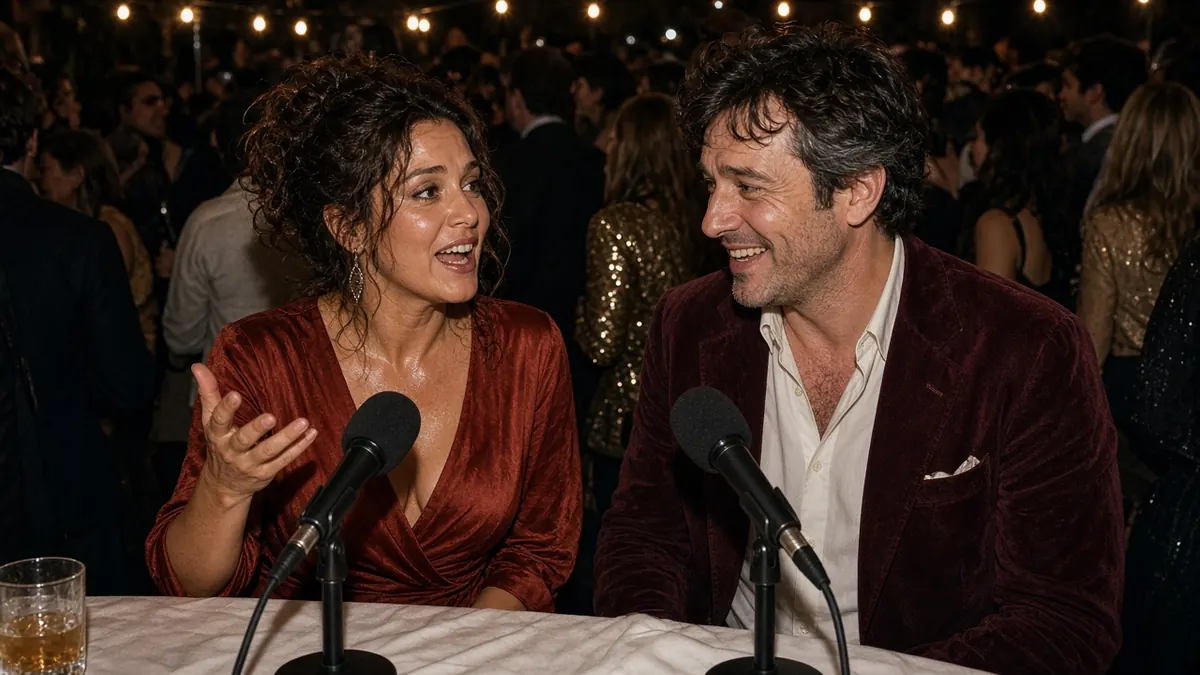
The pattern looks like this. A cousin who already tells the kitchen story. A friend from the same trip who was there. One starts. The other nods and adds the detail that makes it a memory. That is a conversation. The room can copy it.
A table often hears two wedding-party solos booked as “energy.” Energy is a toast. The witness is the second mic doing its job. I do not send one guest into a voicemail. I also do not send two comedians to open the night.
Recommendation: pick one outgoing person and the friend they would sit with at dinner. Not a stranger. Not a parent you hope will “warm up on camera.”
Family who travelled
Destination weekends collect people who flew and will otherwise only meet in a photograph. Those people already have a scene: the delay, the wrong train, the first dinner, the house that did not have enough chairs. They do not need a speech. They need two seats before portraits steal them.

The pattern looks like this. Two friends from the same flight sit while the rest of the room is still hunting cava. They laugh. Someone at the drinks line watches. The next pair is easier because a body went first.
I do not promise every uncle will sit. Sitting down is voluntary. I do offer the first chairs to the people who used a passport to get here, if they already talk to each other. A shy parent can watch that round. Forcing a parent into a microphone is how you get a stiff thirty seconds.
Recommendation: list two travel pairs on the planner note. If they decline, they decline. The backup is another talker and witness, not the couple.
What to skip as an opener
The first take teaches the room what the furniture is for. Skip anything that looks like a stage.
| Opener | What the room copies | Sit first? |
|---|---|---|
| Couple in the dresses | A performance | No |
| Best man with a set | A roast | No |
| One guest alone | A voicemail | No |
| Talker plus witness, same trip | A conversation | Yes |
A table often hears the best man arrive with material tested on the group chat. Fine later, with a pause, if the couple still wants it. Wrong as the lesson. The opener is a kitchen story, not a set. Speeches have a microphone. This table is two chairs.
Skip the guest who is already too loud for a keepsake. Skip a child as the demo. Skip the person who wants to “break the ice” with a toast. The ice breaks when two friends sit and talk. A photobooth can survive a silly first face. This table copies the first mouth.
Recommendation: if the first name on the list is the couple, the best man, or a solo, rewrite the list. Keep the roast off the first file.
After the first round, let people watch
The second job of the first pair is to be visible, then leave. Hovering turns a conversation into a booth queue. Shy guests need one clean round they can steal, not a host selling the next chair.
The pattern looks like this. Two friends sit. They laugh. They stand. They walk back to the drinks and mention the table once, kindly. Then they stop. The room had a model. The next pair is a choice, not a census.
I do not film the watchers. I do not announce a quota. Practical questions about shy guests already have a short home. This page only needs the beat: one round, then air. If a take goes sideways later, that is a different essay. The opener should not be the sideways take. A table often hears a host stay to “keep energy up.” Energy up is how you get a queue of hats. Let the chairs breathe.
Recommendation: seed one comfortable pair at the start of the wandering window. Let people watch. Do not stack a second speech behind them.
Write the first-pair line for the planner
The worst time to invent an opener is while the couple is in portraits and the best man has found a microphone. Add four lines to the same note as the date.
- First pair: two roles — a talker and a witness who already share a scene.
- Not the couple. They pass the chairs. They do not open.
- Not a roast, a toast, or one guest alone.
- After they sit, they mention the table once. Then the room watches.
You can see the table language on Instagram — setup films, not a named wedding. We do not publish a seating-order PDF as a public kit. Languages and the wandering window are confirmed when you inquire.
Recommendation: the same four lines with the couple, then the planner, then the person who will point. Send the date and those lines through Check availability.
What to do next
- Name a talker and a witness before the day.
- Keep the couple and the roast off the opener.
- Offer the first chairs to people who already travelled together.
- Let the room watch one round. Then stop selling.
- Send the four lines, or message WhatsApp if the date is close.
The mechanic is small on purpose. Two friends. Two mics. A story the room can steal. That is who sits first at the wedding podcast table so the chairs teach a conversation, not a show.
Frequently asked questions
Who should sit first at the wedding podcast table?
A teaching pair: a talker and a witness who already share a scene, often two people who travelled together. Not the couple. Not a roast.
Should the couple go first?
No. The people in the dresses look like a performance. Guests copy friends talking, not a demo by the couple.
Should the best man sit first?
Not with a set. A roast teaches the room the wrong job. If he sits, he sits as a witness or a kitchen-story talker, not as an opener act.
What if nobody wants to be first?
Name the pair before the day. Ask two friends, not the room. Sitting is voluntary. An empty opener is better than a forced parent.
Should parents go first?
Only if they already want to and they have a witness. A shy parent should watch one round. Do not send them in alone to be authentic.
How many pairs before people copy?
One clean round is the lesson. Seed a backup pair if the first declines. We do not promise a queue or a percentage.
What should we write for the planner?
Four lines: talker plus witness, not the couple, not a roast, one mention after they sit. Date and languages go in the same note.