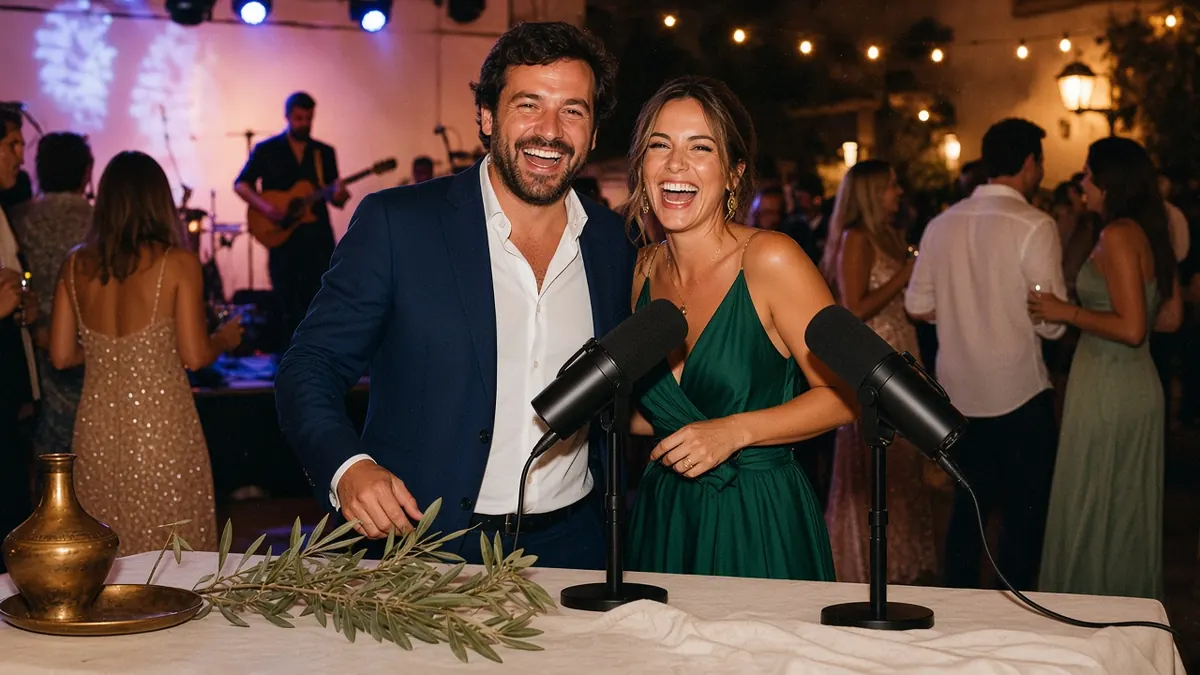
The kitchen story is already on the second mic when the band counts in. Horns, a chorus, a kick that treats two chairs like the front row. I host the two-microphone table. What to do when the band starts mid-sitting is not a concert review. Finish the sentence. Pause. Do not shout the keep over a chorus — and do not move the whole party to prove the furniture was brave.
A table often hears a count-in land on an open mouth. The pattern looks like this: two people, two mics, one last human line, then chairs that go quiet without packing. A sitting is not a concert. Nobody named here booked a front row.
- Treat a sitting as two people talking, not a setlist.
- Finish the sentence, then pause.
- Do not shout the kitchen story over a chorus.
- Move one pocket, not the whole party.
- Tell the band captain the pocket is a pause, not a mute.
- Know the couple still keep the lines that stayed human.
- Send the music-overlap note with the date.
The hour that is already a club lives in when cocktail hour is too loud for a wedding podcast. A story that goes wrong in the mouth lives in what to do when a wedding podcast story goes sideways. Practical yes/no sits on questions. This page is only the overlap: a take already open, a live band that just counted in.
A sitting is not a concert
A wedding podcast, here, is two chairs and two broadcast mics at the party. Guests sit if they want, talk, leave voices on video. Entertainment now. A keep after. Not a Spotify show. Barcelona is the original market. Coverage is Spain. A live band can share the night. It does not share the take.
A sitting is two people already talking. It is not a ticket. It is not the front row. A table often hears “the band is the entertainment, the table can ride it.” That is a mood-board wish wearing horns. The pattern looks like this. Someone put two chairs in the wash because the recce loved the stage. Two friends sit. A count-in arrives. They grin like they bought seats. Nobody named here needed a souvenir of the kick drum. They needed a mouth that stayed a mouth.
Recommendation: write sitting before you write setlist. If the line only works as a concert, it is not a take. Two chairs do not need a chorus. They need a sentence they can finish.
Finish the sentence, then pause
The first job is not a slam. Do not cut a person mid-word like a radio edit. Do not keep rolling into the horns as if bravery were the product. One last human sentence. Then the chairs go quiet. The linen can stay. The mics can stay. The take does not have to.
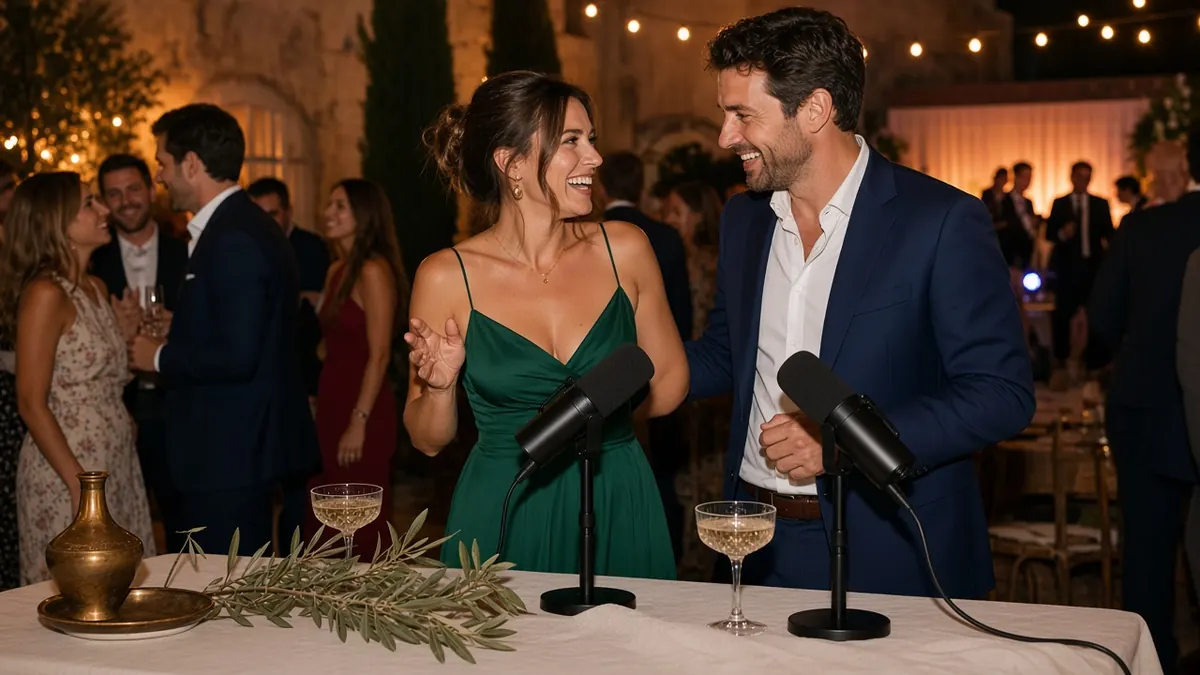
The pattern looks like this. An uncle is already in the kitchen story. The trumpet finds the downbeat. A table often hears someone wave “keep going, it is fun.” Fun on the dancefloor. On the file it is toast voice plus brass. Nobody named here failed the night because they finished the line and stood the chairs down for a song.
Recommendation: let them land the sentence they started. Then pause. Do not pack. Do not announce a cancel. A pause is a chapter mark, not a fight with the band.
Do not shout the kitchen story over a chorus
Shouting becomes the file. The keep is a conversation, not a toast competing with a hook. The loud-hour page already owns the sentence test for a room that was a club before anyone sat. This page is narrower: the take was human, then the chorus arrived, and someone tried to win.
| Move | What the file gets | Do it? |
|---|---|---|
| Finish the sentence | The last human line | Yes, once |
| Shout the chorus | Toast voice plus horns | No |
| Pause the chairs | A cut take that can still keep | Yes |
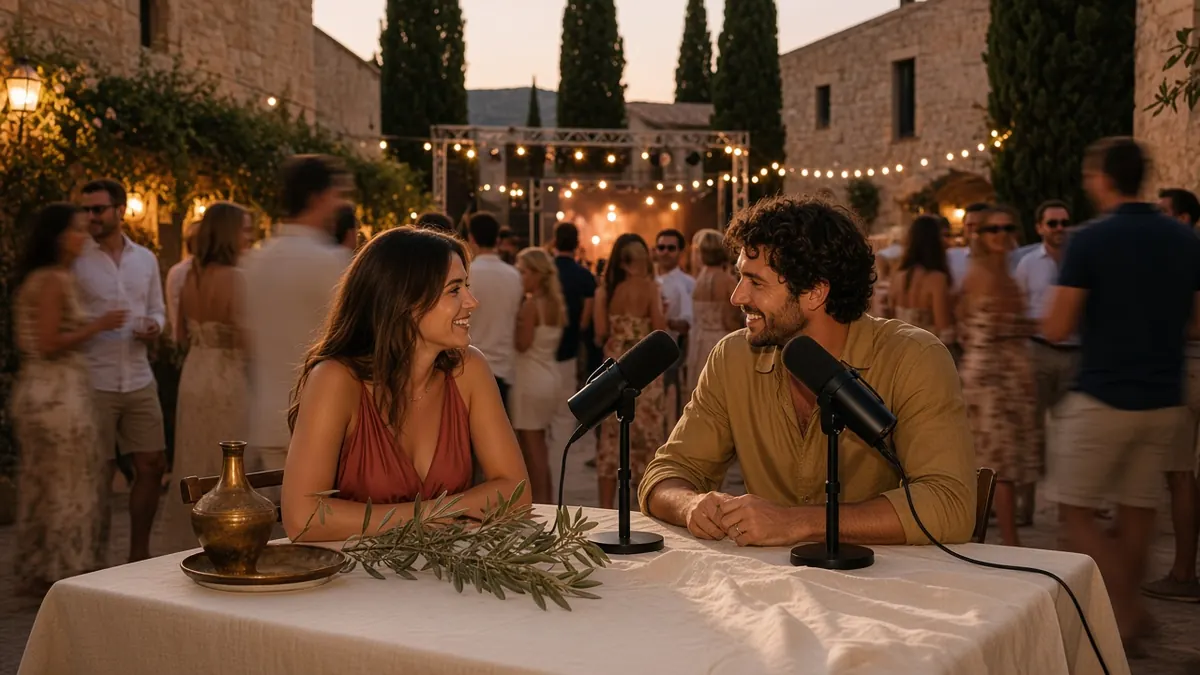
A table often hears “lean in, they will hear you.” They will. So will the keep. The pattern looks like this. Two cousins raise the meeting story into a chorus they do not know the words to. Nobody named here needed that souvenir. We do not publish a decibel. We do not sell a mute. If you have to raise the story, the take is already cut.
Recommendation: if the mouth has to become a toast, stop. The chorus can have the room. The file can have the line they already said.
Move one pocket, not the whole party
If the band will play the rest of the wander, the chairs can move one pocket. Off the horn wash. Still on the drinks. Close enough that a glass finds the linen. Far enough that a mouth can stay human when the next sitting starts. Do not drag the party to a second building to prove you were right.
A table often hears “take it to the far garden, it is quiet.” Quiet as a museum. The pattern looks like this. Someone loves a hedge nobody walks. Two chairs, two mics, zero traffic — or they shove the table into the stage glow because the photo of the band looked expensive. Nobody named here needed a postcard of empty linen, or a front row with better mics.
Recommendation: ten steps off the stack, still on the glass path. If the new pocket has no feet, come back toward the bar, not toward the kick. The party stays. The pocket moves.
What to tell the band captain
The band has a job. The table has a job. They can share a night if they do not share a downbeat. You do not need a photobooth rider. You need one line the captain can walk: if a sitting is open when you count in, we finish the sentence and pause. We are not asking for a mute. We are asking for a pocket that is not the horn.
A table often hears the brief arrive as “please keep it down for the podcast.” That is a fight with the party you also paid for. The pattern looks like this. Someone writes a paragraph about volume. The captain hears a complaint. Two chairs become a problem in the set. Nobody named here needed a war. They needed a pause both sides already expected.
Recommendation: send the overlap line before the day, with the couple, then the planner, then the captain. One sentence. Pause, not mute. Pocket off the horns. Do not paste a booth plot.
What the couple still keeps from a cut take
A cut take is a chapter mark, not a failed night. The keep is the conversations that stayed a mouth: two people, two mics, a scene they actually finished. It is not a trophy of who shouted longest into a chorus.

The pattern looks like this. Someone treats a paused sitting as a cancel. Or they leave the chairs in the wash so the recce still matches the file. A table often hears “but guests will sit through the song.” Guests sit where a glass and a friend already are — and they stop when the room becomes a concert. Nobody named here lost the keep because one take ended on a human line.
You can see the table language on Instagram — setup films of furniture, not a named wedding. Complementary to photo and video: they cover the day; this records conversations. This line only says the keep survives the cut.
Recommendation: if you pause, tell the couple the keep is the talk they finished, not the chorus they lost. Do not promise a census of who sat. Share the timeline. We confirm what fits.
Send the music-overlap note
The worst time to invent the overlap is while the trumpet is already in the kitchen story. Send the same note with the couple, then the planner, then the captain.
- Sitting: two people talking — not a concert, not a front row.
- Finish: one last human sentence, then pause. Do not pack.
- Chorus: if the mouth becomes a toast, the take is already cut.
- Pocket: ten steps off the horns, still on the drinks. Not a museum.
- Captain: pause, not mute. One line. Not a booth rider.
We confirm what fits. The loud-hour chapter stays on the loud-hour page. The sideways mouth stays on the sideways page. This is only the music-overlap.
Recommendation: paste that overlap with the date and the house. If the date and the band are the question, Check availability with the line in the note.
What to do next
Finish the sentence. Pause the chairs. Keep the pocket on the drinks. If the date is close, message WhatsApp. When the music-overlap sits with the date, Check availability.
Frequently asked questions
What do you do when the band starts mid-sitting?
Finish the sentence they already started. Pause the chairs. Do not shout into the chorus. Move one pocket later if the set continues. A sitting is not a concert.
Should guests shout the kitchen story over the chorus?
No. Shouting becomes the file. If the mouth has to become a toast, the take is already cut. The chorus can have the room.
Do you stop the take the second the count-in starts?
No. Let them land the line. Then pause. A slam mid-word is a radio edit. A human last sentence is the keep.
Should we move the whole table when the band starts?
One pocket, not the party. Off the horn wash, still on the drinks. A far garden nobody walks is a museum. A stage-front row is the same concert.
What do we tell the band captain?
One line: if a sitting is open when you count in, we finish and pause. Not a mute. Not a booth rider. A pocket that is not the horn.
If a take is cut, what does the couple still keep?
The conversations that stayed a mouth. Two people, two mics, the scene they finished. Not a trophy of the shout. A cut is a chapter mark, not a cancel.
What should we send with the date?
The music-overlap plus the house: sitting is not a concert, finish then pause, no shout, one pocket, one line to the captain. Check the date and the venue.